
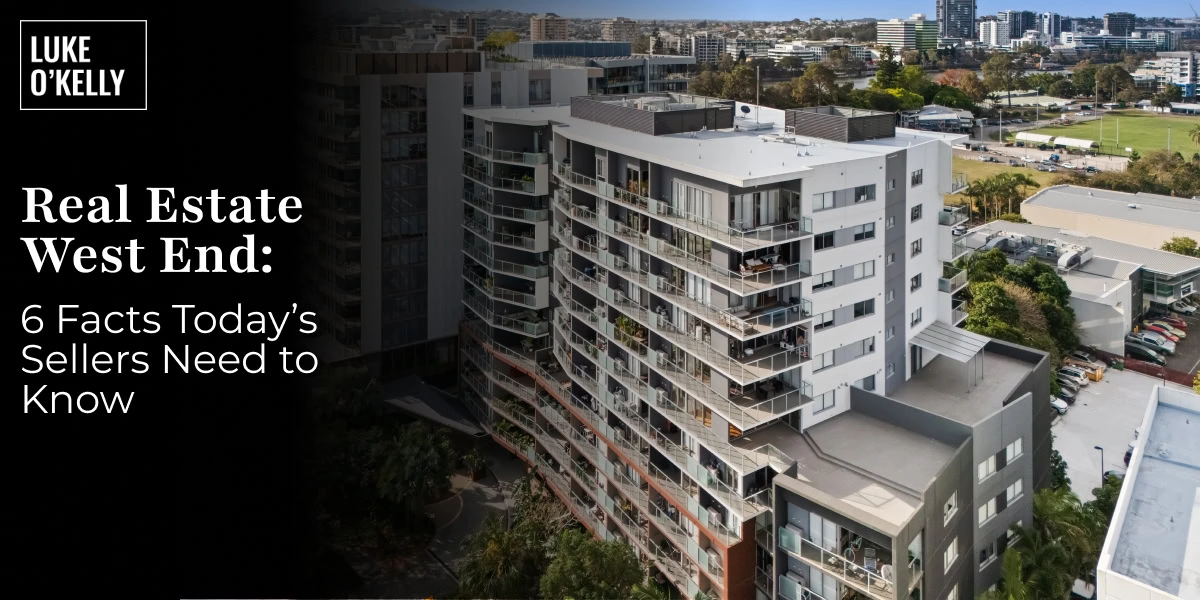
Real estate in West End presents a unique set of conditions for property sellers, which is why suburb-specific facts matter more than broad Brisbane market advice. While general trends can offer background context, they rarely reflect the local buyer demand, pricing pressure and competition that sellers in West End actually face.
Data from the Australian Bureau of Statistics shows that population growth and movement vary significantly between regions and suburbs, reinforcing why local conditions play a major role in property outcomes.
From differences between streets to variations in property type and campaign structure, small local factors can have a meaningful impact on sale results. This article outlines clear, practical facts about real estate west end to help sellers make informed decisions based on local market realities rather than assumptions.
6 Real Estate West End Facts Every Seller Should Understand
The facts below reflect the key market realities that sellers need to understand when navigating real estate in West End. Each one highlights a specific condition that can influence buyer demand, pricing and final sale outcomes. Together, they provide a practical framework for sellers preparing to take their property to market.
Fact #1: Real Estate West End Is a True Micro-Market
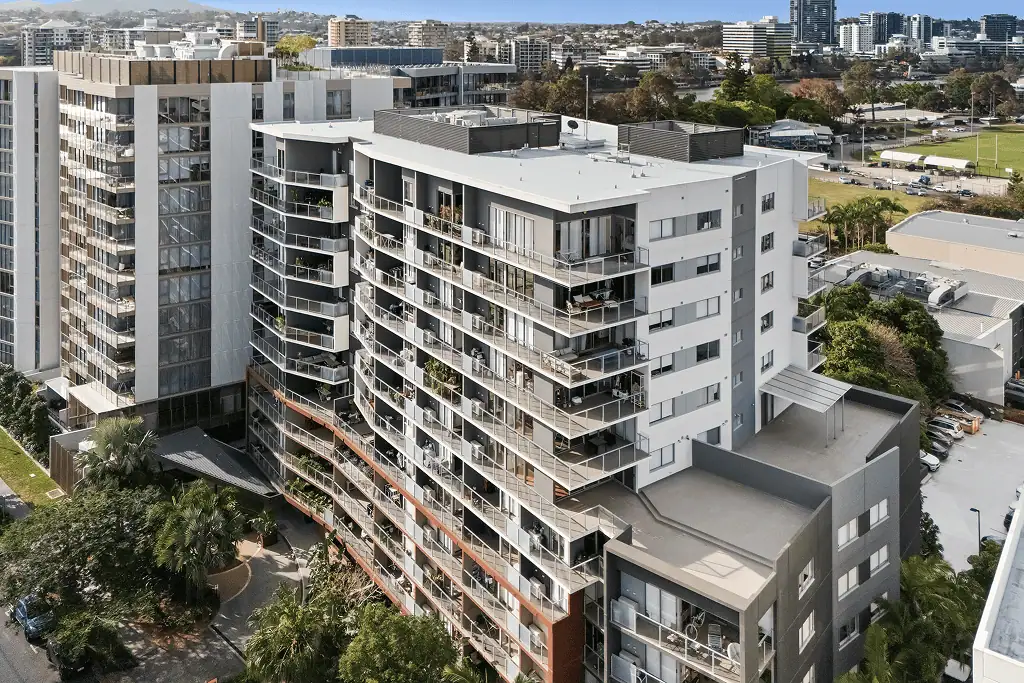
For sellers, understanding that the real estate West End functions as a micro-market is critical. West End attracts a distinct mix of buyers driven by lifestyle, walkability and proximity to the river, cultural precincts and inner-city amenities. This demand profile differs from neighbouring suburbs and broader Brisbane trends, which is why pricing and buyer competition can vary significantly within a small geographic area.
In real estate in West End Brisbane, factors such as street appeal, outlook and access to local amenities often carry more weight than they would elsewhere. Sellers who recognise these nuances are better positioned to set realistic expectations and approach the market with confidence.
Fact #2: Real Estate West End Pricing Is Shaped by Supply Levels
Pricing in the real estate West End is heavily influenced by the level of available stock at any given time. When supply is limited, buyers are often competing for fewer suitable options, which can place upward pressure on prices.
For sellers, fewer comparable listings can actually work in their favour, as buyers have less opportunity to benchmark against similar properties. Rather than relying on past sales alone, it’s important to consider current supply conditions, as these play a major role in shaping buyer urgency and final sale outcomes.
Fact #3: Real Estate West End Buyer Demand Changes Street by Street
Buyer demand in the real estate West End is rarely uniform across the suburb. Certain streets attract stronger interest due to factors such as outlook, noise levels, accessibility and proximity to key lifestyle features. As a result, blanket pricing advice often fails to reflect how buyers assess value on a more granular level.
Sellers who rely on suburb-wide averages may overlook important differences that affect demand for their specific property. Localised data and street-level insight are essential for understanding how buyers are likely to respond and where a property sits within the market.
Fact #4: Real Estate West End QLD Buyers Are Highly Informed
Buyers active in real estate West End QLD are typically well-researched and data-driven. Most have access to recent sales results, price guides and days-on-market information, allowing them to compare properties quickly and form clear expectations before engaging.
As a result, inaccurate pricing or unclear positioning is often identified early and can reduce buyer confidence. Pricing that aligns with current market conditions is essential, as informed buyers are more likely to disengage if a property appears misaligned with comparable local sales.
Fact #5: Real Estate West End Campaign Structure Influences Final Price
The way a property is taken to market plays a significant role in shaping buyer interest and final sale outcomes in the West End real estate market. A clear campaign structure helps concentrate buyer attention, create urgency and encourage meaningful engagement within a defined timeframe. When buyers are aware that others are actively competing for the same property, they are more likely to act decisively.
A well-structured approach helps maximise exposure and maintain momentum throughout the selling process, reducing the risk of interest fading over time.
Fact #6: Real Estate West End Apartments and Houses Perform Differently
Apartments and houses attract different buyer profiles in real estate west end, which means they often perform differently under the same market conditions. Buyer expectations around space, privacy, lifestyle and long-term value can vary significantly depending on property type.
Because of these differences, pricing, positioning and campaign structure need to align with the type of buyer most likely to engage, rather than applying a one-size-fits-all approach across the suburb.
What These Real Estate West End Facts Mean for Sellers
Selling successfully in real estate West End comes down to understanding the local facts that shape buyer behaviour, pricing pressure and competition. From micro-market conditions and supply levels to street-by-street demand, property type and timing, informed decisions consistently lead to stronger outcomes.
For West End property owners considering their next move, seeking suburb-specific guidance provides clarity around pricing, strategy and timing before making any commitments. You can also explore our latest property insights on the Brisbane real estate market here.